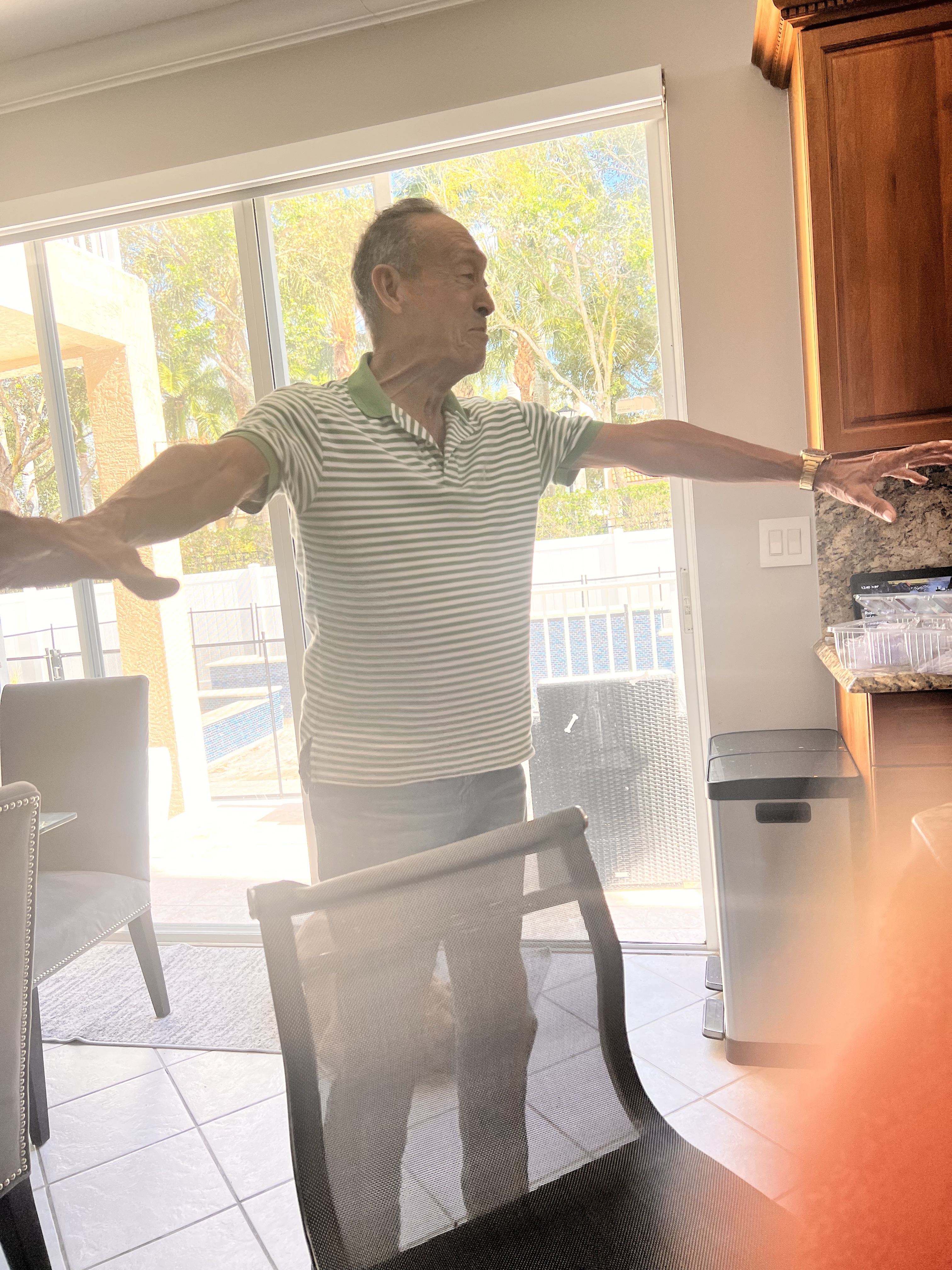
A question I get whenever I go out, attend meetings or enjoy social gatherings is “how do I age well?” or put another way “how do I prevent dementia?”. Being a neuropsychologist means I help to diagnose, assess and plan rehabilitation for people with neurological illnesses, including the different types of dementia, on a daily basis.
Fun fact: Dementia is a disease that begins in your 40’s!!!
Ageing is a natural part of life but living well as we age is an art—and a science. So in this post I’m going to break down aging well from a neuropsych point of view.
The Science of Ageing and the Brain
Our brains are incredibly adaptable, even as we age. This adaptability, known as neuroplasticity, allows us to learn, grow, and even recover from certain cognitive challenges. However, normal ageing is accompanied by natural changes in brain structure and function, such as slower processing speeds and mild memory lapses.
The key to maintaining or enhancing certain cognitive functions as we age in large part is lifestyle, lifestyle, lifestyle: Consistent lifestyle choices can mitigate the impact of ageing and even enhance and lengthen cognitive resilience.
Take for instance the tons of longitudinal research on the “Blue Zones” key findings to a long and vibrant life (because who wants to live to 100 if you are fully popped down?). International teams of researchers have revealed powerful lifestyle habits that enhance longevity and wellness. In studying the world’s healthiest and longest-lived populations Dan Buettner discovered five regions where people consistently live into their 90s and 100s called the “Blue Zones,”.
As a neuropsychologist, I see how these habits align with what we know about brain health, emotional resilience, and physical vitality. Let’s dive into how we can thrive through the years by combining insights from neuroscience with lessons from the Blue Zones.
What Are the Blue Zones?
Blue Zones are regions identified by where people enjoy exceptionally vibrant lives. These areas include:
- Okinawa, Japan – Home to the world’s longest-lived women.
- Sardinia, Italy – Known for its high concentration of male centenarians.
- Ikaria, Greece – A place where residents “forget to die,” with significantly lower rates of dementia.
- Nicoya Peninsula, Costa Rica – Residents frequently live into their 90s with vitality.
- Loma Linda, California – A Seventh-Day Adventist community with a strong focus on faith and health.
The people in these regions share key lifestyle habits that promote physical and mental wellness, offering a blueprint for ageing well.
Blue Zone Secrets for Longevity and Brain Health
There are some fundamental threads that are woven throughout all the blue zones:
1. Natural Movement
- Residents incorporate low-intensity activities like walking (flat and incline/hill walking), gardening, and household chores into their daily routines.
- Neuropsychologist’s Insight: Regular movement increases blood flow to the brain, promotes neuroplasticity, and reduces stress—all of which support cognitive health.
2. Purposeful Living (Ikigai)
- Having a sense of purpose, or “ikigai,” provides motivation and a reason to get up each day.
- Neuropsychologist’s Insight: Purposeful living activates brain regions linked to reward and motivation, reduces depression, and fosters emotional resilience.
3. Strong Social Connections
- Blue Zone residents prioritize family and community bonds, regularly engaging in social activities.
- Neuropsychologist’s Insight: Social interaction stimulates cognitive function, enhances emotional well-being, and reduces the risk of dementia.
4. Plant-Based Diets
- Their diets focus on vegetables, legumes, nuts, and whole grains, with minimal processed foods.
- Eliminating sugar and processed food from our daily diet
- Neuropsychologist’s Insight: These foods combat oxidative stress and inflammation, protecting brain cells from damage and supporting cognitive longevity.
5. Moderation in Eating
- Practices like Okinawa’s “Hara Hachi Bu” (eating until 80% full) help prevent overeating.
- Neuropsychologist’s Insight: Maintaining a healthy weight reduces the risk of chronic diseases like diabetes, which negatively impact brain health.
6. Stress Management
- Rituals like napping, prayer, or simply enjoying the sweetness of doing nothing.
- Neuropsychologist’s Insight: Stress management lowers cortisol levels, protecting memory and decision-making abilities.
7. Faith and Spiritual Practices
- Many residents have strong faith or spiritual practices, fostering a sense of community and peace.
- Neuropsychologist’s Insight: Spirituality and mindfulness reduce anxiety, enhance emotional resilience, and promote a positive outlook.
Neuropsychological Aspects of Blue Zone Habits
The habits observed in Blue Zones directly support cognitive and emotional health. For example, social connections promote oxytocin release, enhancing trust and reducing stress. Diets rich in antioxidants protect against oxidative stress, a factor in neurodegenerative diseases like Alzheimer’s. Purposeful living activates the brain’s reward centers, improving mental clarity and emotional fulfillment. Meanwhile, practices like mindfulness and prayer lower cortisol levels, preserving brain functions like memory and focus. These neuropsychological benefits explain why Blue Zone residents experience lower rates of cognitive decline and maintain vitality well into old age.
How to Adopt Blue Zone Habits in Your Everyday Vitality
You don’t have to live in a Blue Zone to benefit from their wisdom. Here’s how you can incorporate these habits into your daily life:
- Move Naturally
Take walks, garden, or engage in light physical activities regularly. - Find Your Purpose
Reflect on what gives your life meaning, and align your activities to support it. - Strengthen Social Bonds
Spend time with family and friends, and participate in community groups. - Eat for Longevity
Focus on whole, plant-based foods like fruits, vegetables, beans, and nuts. - Practice Moderation
Be mindful of portion sizes and listen to your body’s hunger signals. - Manage Stress
Incorporate mindfulness, meditation, or leisure activities into your routine. - Cultivate Faith or Mindfulness
Engage in spiritual practices or gratitude journaling to foster inner peace.
Vitality Thoughts
Ageing well is not about avoiding time’s inevitable changes but embracing habits that add vitality, purpose, and joy to your years.
My goal every single day in my neuropsychology practice (www.inscapehealth.com) is to educate and encourage all my patients on the benefits of living a Blue Zone lifestyle while integrating evidence-based neuropsychological practices. The detailed tailored recommendations provide powerful guidance for living a longer, healthier, and more vibrant lives.
Top of Form
Bottom of Form


 Dr. Tammy Haynes
Leave a reply to Dr. Tammy Haynes Cancel reply